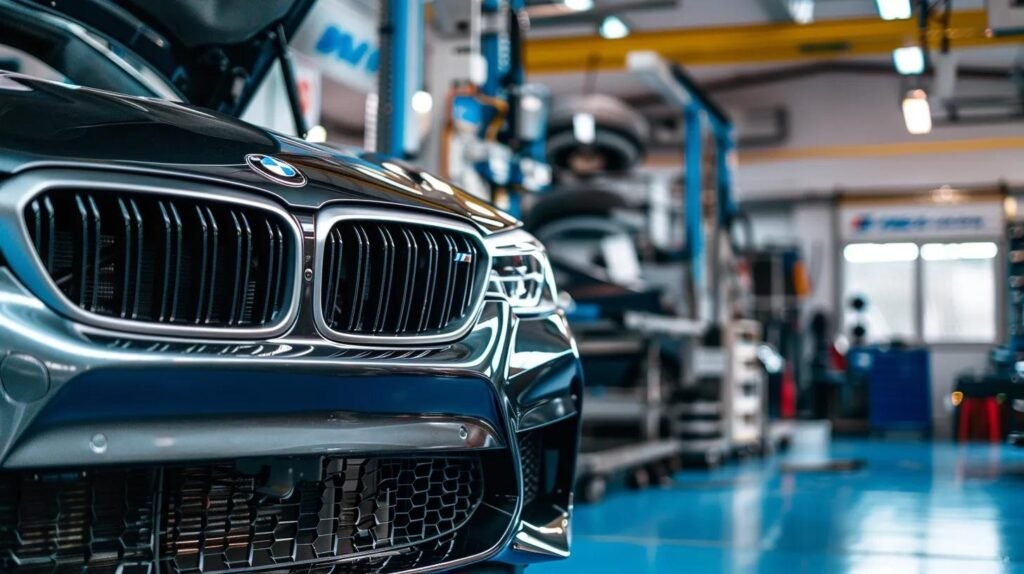
You’ve just noticed a warning light on your BMW’s dashboard. Your instinct? Drive to the nearest workshop and hope for the best.
But here’s the thing: your European car isn’t just another vehicle. It’s a precision-engineered machine that speaks a language most general mechanics don’t understand.
Taking your Mercedes, Audi or Volkswagen to the wrong workshop isn’t just inconvenient. It can lead to misdiagnosis, incorrect parts and repairs that cost you more in the long run. The question isn’t whether you need a specialist, it’s how to spot one who truly knows what they’re doing.
Key Takeaways
- European cars require brand-specific diagnostic tools and software that general workshops typically don’t have
- A trusted continental car specialist uses genuine or OEM parts, not generic alternatives that can compromise performance
- Proper training in European engineering systems is essential for accurate diagnosis and long-term vehicle health
- Warning signs of the wrong workshop include vague explanations, quick fixes without proper diagnostics and reluctance to show you their equipment
European Engineering Demands European Expertise
Your continental car was designed with precision that goes beyond standard automotive manufacturing. Every sensor, every module, every line of code in the ECU was calibrated for specific performance standards.
General workshops often approach all vehicles the same way. They might have a universal OBD scanner and a solid understanding of basic mechanics. But European cars? They require manufacturer-specific software to even communicate properly with the vehicle’s systems.
BMW’s iDrive, Mercedes’ COMAND, Audi’s MMI. These aren’t just fancy infotainment systems, they’re integrated into the car’s entire diagnostic network. Without the right tools, a mechanic is essentially guessing. And guessing with a RM200,000 vehicle is a gamble you shouldn’t take.
A trusted continental car specialist invests in the exact diagnostic equipment that European manufacturers use. They don’t just read error codes, they understand what those codes mean in the context of your specific model and year.
Genuine Parts vs. “Compatible” Parts: Why It Matters
Walk into the wrong workshop and they’ll tell you they can source “compatible” parts that work just as well as the originals. Sounds reasonable, right? After all, why pay more if the part does the same job?
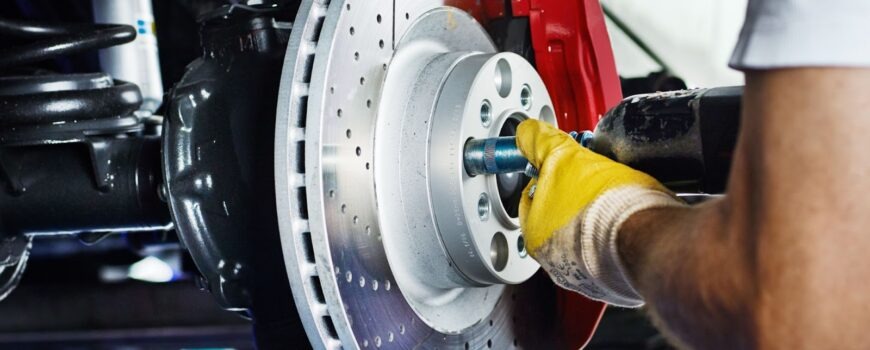
Here’s what they won’t tell you: European cars are built with tolerances measured in microns. A brake pad that’s “close enough” might work initially, but it can wear unevenly, trigger sensor faults or reduce stopping power when you need it most.
Genuine and OEM parts aren’t just about brand loyalty. They’re about maintaining the engineering integrity of your vehicle. Every component was designed to work in harmony with the rest of the system.
A proper continental car specialist, such as German Marque, will explain the difference between genuine, OEM and aftermarket parts. They’ll show you the quality difference and help you make an informed choice, not just the cheapest one.
The Diagnostic Trap Most Workshops Fall Into
You bring your Audi in because the check engine light is on. A general workshop plugs in their scanner, sees a code for an oxygen sensor and tells you it needs replacing. RM800 later, the light comes back on.
Why? Because they treated the symptom, not the cause.
European cars often throw error codes that are symptoms of deeper issues. A failing oxygen sensor reading might actually be caused by a vacuum leak, a faulty MAF sensor or even a software glitch that needs recalibration.
Proper diagnosis isn’t about reading codes. It’s about understanding the entire system, cross-referencing multiple data points and using experience to identify patterns that generic scanners miss.
When you work with specialists who focus exclusively on continental auto services, such as German Marque, you’re working with technicians who’ve seen these patterns hundreds of times. They know the common failure points for your specific model. They know which issues are urgent and which can wait.
Red Flags That Scream “Wrong Workshop”
Not sure if your current workshop is up to the task? Here are the warning signs that should send you looking elsewhere.
They Can’t Explain What They’re Doing
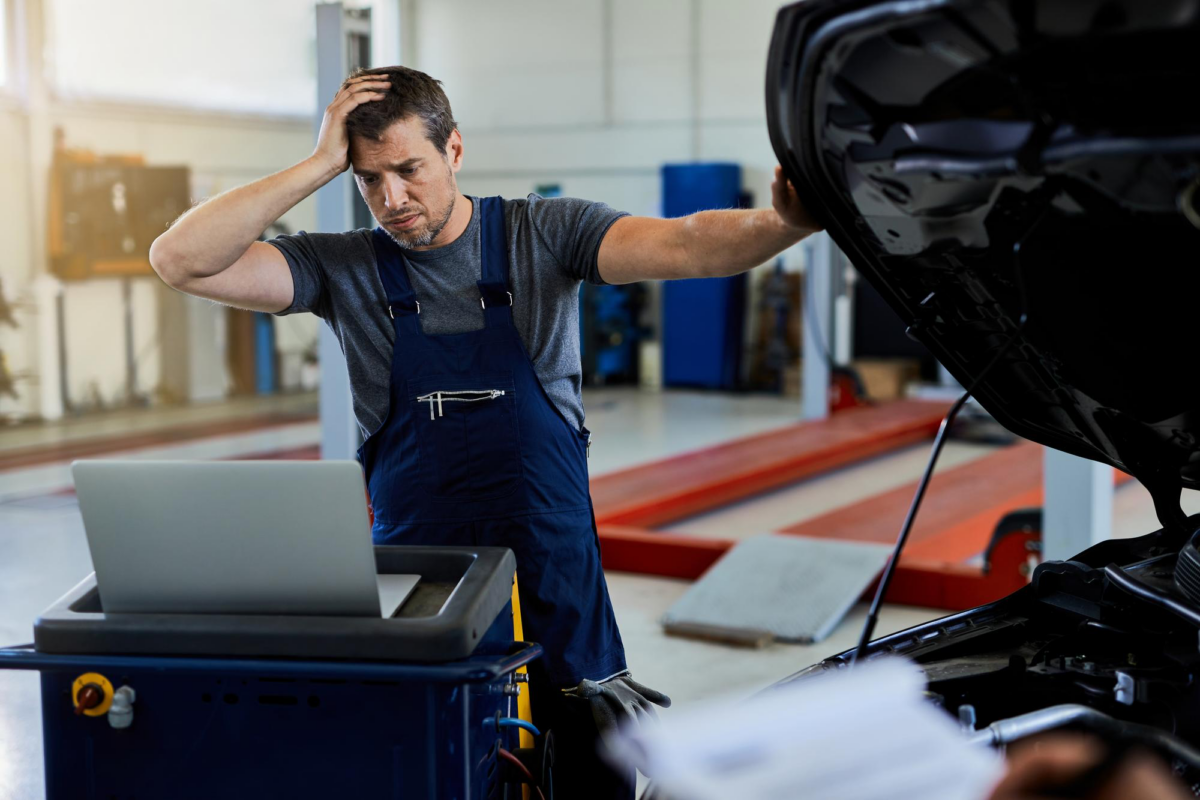
A trusted specialist will walk you through the diagnosis. They’ll show you the data, explain what they’re seeing and outline a clear plan. If you’re getting vague answers or being rushed through explanations, that’s a problem.
They Offer Quick Fixes Without Proper Testing
European cars don’t respond well to shortcuts. If a workshop is suggesting repairs without proper diagnostic testing, they’re guessing. And you’re the one who pays when the guess is wrong.
Their Equipment Looks Generic
Ask to see their diagnostic tools. A proper continental car specialist will have brand-specific equipment, not just a universal scanner from the local auto parts shop. If they’re hesitant to show you what they’re using, that tells you everything.
They Push Generic Fluids and Parts
Your BMW’s engine was designed for specific oil viscosities. Your Mercedes’ transmission requires particular ATF specifications. Generic alternatives might be cheaper, but they can void warranties and cause long-term damage. A specialist knows this and won’t compromise.
What Sets a True Continental Car Specialist Apart
So you’ve identified the red flags. Now, what should you actually look for in a workshop that deserves your trust?
| General Workshop | Continental Car Specialist |
|---|---|
| Universal OBD scanner | Manufacturer-specific diagnostic software |
| Generic replacement parts | Genuine or certified OEM components |
| Basic mechanical knowledge | Brand-specific technical training |
| Quick turnaround focus | Thorough diagnosis and preventive care |
| One-size-fits-all approach | Model-specific service protocols |
A genuine specialist doesn’t just fix what’s broken. They understand the engineering philosophy behind your vehicle. They know that a BMW’s suspension setup requires different attention than a Mercedes. They recognise that Audi’s quattro system has unique maintenance needs.
They also invest in continuous training. European manufacturers update their systems regularly. Software changes, new sensor technologies, revised service procedures. A specialist stays current because they know that yesterday’s knowledge isn’t enough for today’s vehicles.
Your Car Deserves More Than Guesswork
You didn’t buy a European car to treat it like a commodity. You chose it for the engineering, the performance and the way it responds to your inputs on the road.
That experience shouldn’t end when you drive off the showroom floor. It continues with every service and diagnostic check, and the workshop you choose determines whether your car keeps that precision or slowly degrades into something ordinary.
A trusted continental car specialist understands what’s at stake, preserving the integrity of a finely-tuned machine and ensuring your investment keeps delivering the experience you paid for.
Your BMW, Mercedes, Audi or Volkswagen deserves expertise that matches its engineering. German Marque proves it every time they open your bonnet.
Facebook Comments