Clazzio Direct is increasingly mentioned by upholstery professionals when discussing why modern drivers are upgrading vehicle interiors earlier than ever before.
I noticed this shift personally when a repeat customer brought in a brand-new crossover with fewer than 500 miles and asked for a full interior upgrade instead of waiting years for wear to appear.
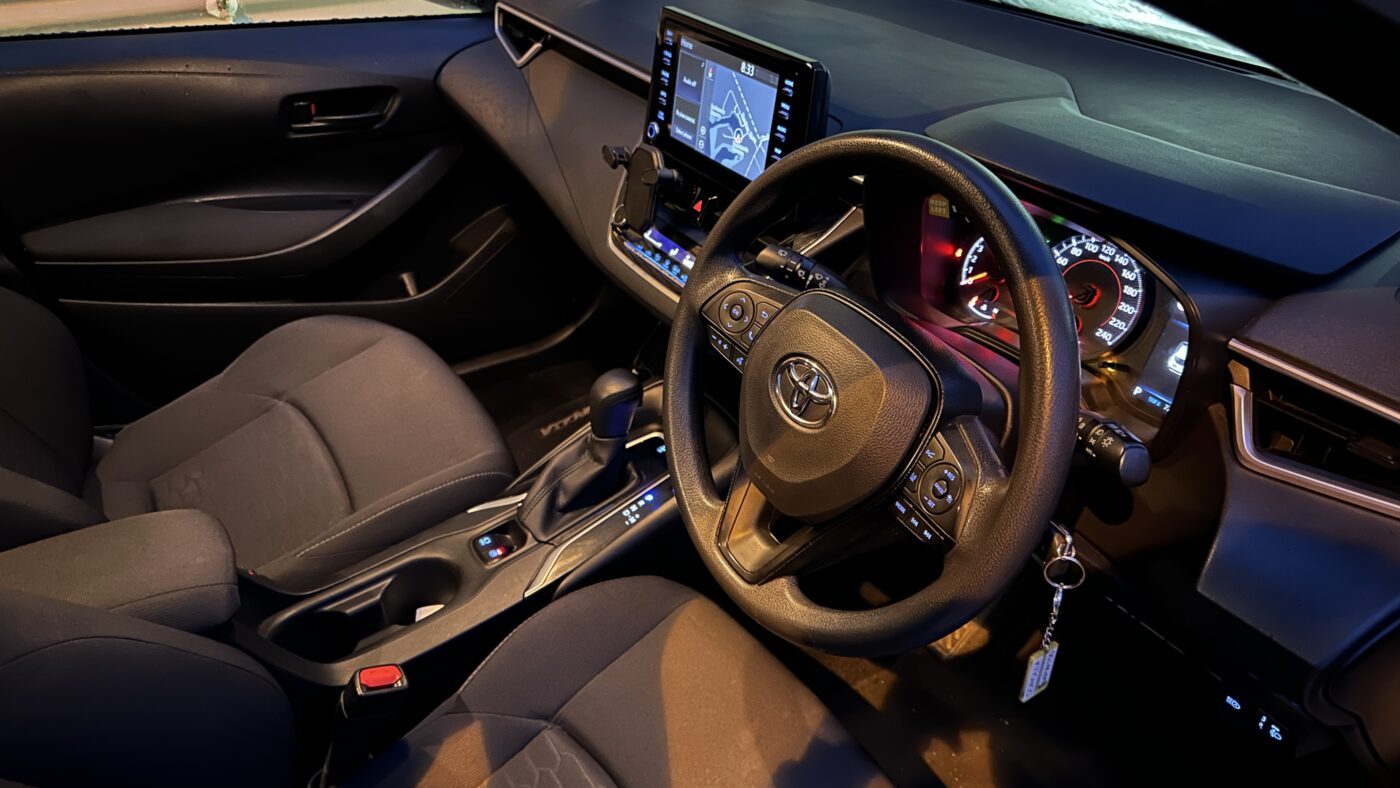
That single job reflected a pattern I now see weekly across different vehicle types and customer profiles.
The Shift From Repair-Based Work To Upgrade-First Decisions
Traditional leather restoration used to be the backbone of upholstery work.
Most customers waited until seats cracked, faded, or tore before seeking professional help.
Today, many drivers view interior upgrades as a preventive decision rather than a repair.
They want to protect factory seating while improving comfort and appearance at the same time.
This mindset changes how upholstery professionals position their services and pricing.
Why Modern Drivers Are Choosing Seat Upgrades Early
New vehicle buyers are no longer waiting for seats to wear out before upgrading, and many research solutions like Clazzio Direct before finalizing their decision.
Many clients I’ve worked with schedule interior upgrades within weeks of purchasing a car because they want the cabin to feel customized immediately.
They want better lumbar support, breathable materials, and color schemes that reflect their personality instead of settling for factory defaults.
Factory interiors often feel generic, and custom seat solutions allow owners to fix that right away without permanent alterations.
This behavior is especially common among SUV and crossover owners who plan long commutes or frequent road trips.
Comfort And Ergonomics Drive Purchase Decisions
Seat comfort is no longer a luxury; it’s a necessity.
Drivers now associate interior comfort with the overall value of a vehicle.
I once worked with a delivery driver who upgraded seating within a month because back fatigue was affecting daily productivity.
Better cushioning, structured bolsters, and improved airflow solved that problem immediately.
This kind of result turns comfort upgrades into practical investments rather than cosmetic changes.
How Custom Seat Solutions Compare To Leather Restoration
Leather restoration focuses on correcting visible damage.
Custom seat upgrades focus on improving performance and longevity.
Restored leather often looks good initially but shows wear again in high-contact areas.
Upgraded seating materials are designed to resist friction, heat, and moisture from the start.
From a workflow perspective, installations are more predictable than restoration projects.
Materials Are Redefining Interior Expectations
Modern synthetic seating materials outperform traditional hides in daily-use scenarios.
They resist spills, UV exposure, and temperature fluctuations better than older leather treatments.
I installed upgraded seating for a family vehicle that regularly transported kids and pets, and cleanup became effortless.
That durability changes how customers think about long-term ownership.
Installation Efficiency Benefits Upholstery Shops
Restoration work often involves multiple drying and curing stages.
Seat upgrade installations follow a structured process with clear timelines.
This efficiency allows upholstery professionals to complete more projects per week.
It also reduces callbacks and customer dissatisfaction caused by color mismatches or uneven wear.
Customers Are More Educated Than Ever
Today’s clients arrive informed and confident.
They compare stitching styles, material breathability, and maintenance requirements online.
Many already understand the difference between restoration and upgrade options.
This knowledge raises expectations but also makes sales conversations easier.
Digital Discovery Influences Buying Behavior
Most customers find interior upgrade options through online research.
Search visibility and educational content shape first impressions.
Platforms like Clazzio Direct often appear during early research stages.
This exposure influences how customers evaluate upholstery professionals later.
Profitability And Repeat Business Potential
Restoration work is often reactive and one-time.
Interior upgrades lead to repeat business across multiple vehicles.
I’ve had customers return years later with a second car requesting the same upgrade experience.
That loyalty supports long-term revenue stability.
Real Workshop Experience Shows The Trend Clearly
In my shop, upgrade-focused jobs now outnumber restoration projects.
Dedicated installation bays replaced dye and repair stations.
Customer satisfaction improved because results were immediate and dramatic.
Word-of-mouth referrals increased because upgrades are visually impressive.
Skills Upholstery Professionals Must Develop
Precision fitting skills are now essential.
Understanding modern seat sensors and airbags is critical for safety.
Professionals who adapt quickly see fewer complications and higher trust levels.
Training investments pay off faster with installation-focused services.
Long-Term Wear And Customer Satisfaction
Upgraded seating distributes pressure evenly across surfaces.
This reduces premature wear in common contact points.
Customers notice consistent comfort even after extended use.
That experience reinforces their decision to upgrade early.
Final Perspective On The Industry Shift
The move toward early seat upgrades reflects broader changes in consumer priorities.
Comfort, personalization, and durability now outweigh originality for most drivers.
Traditional leather restoration still matters for classic and specialty vehicles.
However, upholstery professionals who embrace modern interior upgrades position themselves for future growth.
Facebook Comments