A vehicle’s clutch system is often associated with performance and smooth gear shifting, but its role in overall safety is frequently overlooked. A properly functioning clutch kit ensures not only efficient power transfer but also contributes to driver control, accident prevention, and long-term vehicle reliability. When a clutch fails or wears out, it can lead to dangerous situations, including sudden loss of power, difficulty maneuvering, and even complete drivetrain failure. This article explores how quality clutch kits impact vehicle safety, signs of clutch wear, and why timely maintenance is crucial for safe driving.
Understanding the Clutch Kit’s Function in Vehicle Safety
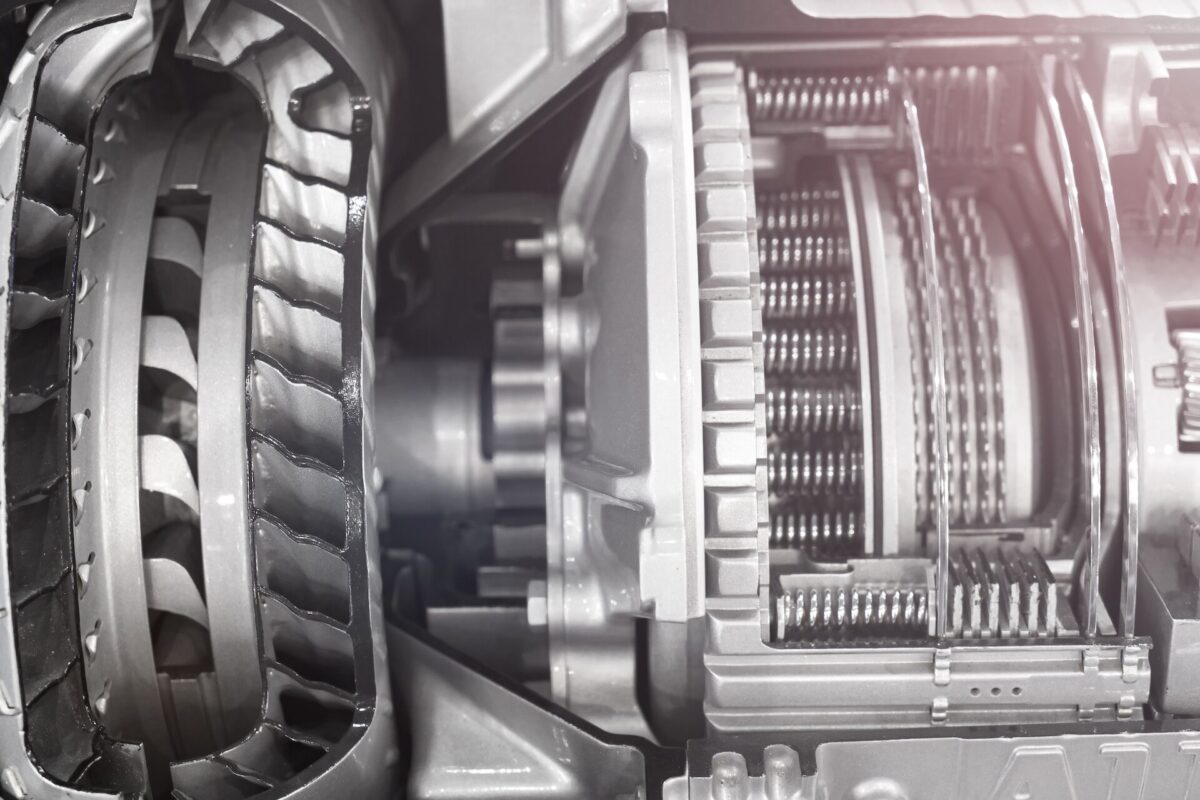
A clutch kit consists of several key components:
- Clutch Disc: Connects the engine to the transmission, allowing smooth engagement.
- Pressure Plate: Applies force to the clutch disc, ensuring proper friction.
- Release Bearing (Throw-Out Bearing): Allows disengagement when the clutch pedal is pressed.
- Flywheel (sometimes included): Provides a smooth surface for the clutch disc to grip.
Together, these parts ensure that power from the engine is efficiently transferred to the transmission, allowing for controlled acceleration, deceleration, and gear changes. A failing clutch can compromise this process, leading to hazardous driving conditions.
How a Worn Clutch Kit Compromises Safety
1. Loss of Power and Acceleration Control
A slipping clutch (where the disc fails to grip properly) means the engine revs without corresponding vehicle movement. This can be dangerous when merging onto highways, overtaking, or climbing steep inclines. If the clutch fails completely, the vehicle may lose power abruptly, leaving the driver stranded in traffic or unable to accelerate out of a risky situation.
2. Difficulty Shifting Gears
A worn clutch can make gear changes rough or even impossible. Grinding gears, resistance when shifting, or gears popping out can lead to:
- Delayed reactions in emergency braking or acceleration.
- Loss of engine braking when descending hills, increasing brake wear and overheating risk.
- Stalling at critical moments, such as in intersections or heavy traffic.
3. Increased Stopping Distances
In manual vehicles, downshifting helps slow the car using engine braking. A malfunctioning clutch may prevent smooth downshifts, forcing the driver to rely solely on brakes. Overheated brakes lose effectiveness, increasing stopping distances—a major safety concern in emergencies.
4. Risk of Complete Drivetrain Failure
Severe clutch wear can lead to catastrophic failure, where the clutch no longer engages at all. This leaves the vehicle immobile, which is especially dangerous on highways or in poor weather conditions. A sudden failure could also cause jerky movements, increasing the risk of losing control.
Signs Your Clutch Kit Needs Replacement
Recognizing early symptoms of clutch wear can prevent unsafe driving conditions. Key warning signs include:
1. Clutch Slipping
- The engine RPM rises without a proportional increase in speed.
- Difficulty maintaining speed on inclines.
- Burning smell from excessive friction.
2. Hard or Spongy Clutch Pedal
- Stiff or unresponsive pedal feel indicates hydraulic issues or a failing pressure plate.
- A pedal that sticks to the floor suggests a failing release bearing or hydraulic failure.
3. Unusual Noises
- Grinding when shifting points to a worn release bearing or misalignment.
- Squealing or chirping noises may indicate a failing pilot bearing.
4. Vibrations or Jerking
- Shuddering when engaging the clutch suggests warped components or oil contamination.
- Jerky movements during gear changes can lead to unstable handling.
Choosing a Safe and Reliable Clutch Kit
Not all clutch kits are equal—some prioritize performance, while others focus on durability and smooth operation. For safety, consider the following when selecting a clutch kit:
1. OEM vs. Aftermarket Clutch Kits
- OEM (Original Equipment Manufacturer) clutches are designed for factory specifications, ensuring compatibility and predictable performance.
- Aftermarket performance clutches may offer stronger materials but could require more pedal effort, affecting ease of use in daily driving.
2. Material Composition
- Organic Clutches: Smooth engagement, ideal for everyday driving.
- Kevlar Clutches: More heat-resistant, suitable for moderate performance use.
- Ceramic Clutches: High grip but harsh engagement, best for racing or heavy-duty applications.
3. Proper Installation Matters
Even the best clutch kit can fail prematurely if installed incorrectly. Key installation considerations include:
- Replacing the flywheel to ensure proper contact.
- Checking the clutch hydraulic system (master/slave cylinders) for leaks or wear.
- Properly aligning the clutch disc to prevent premature wear.
Preventive Maintenance for Clutch Safety
To maximize clutch lifespan and safety, follow these maintenance tips:
- Avoid riding the clutch pedal (resting your foot on it while driving).
- Shift smoothly—don’t “dump” the clutch aggressively.
- Use the parking brake on inclines instead of relying on clutch slippage.
- Check for leaks in the hydraulic clutch system.
Conclusion
A clutch kit is more than just a performance component—it’s a critical safety feature in manual transmission vehicles. A failing clutch can lead to loss of power, unpredictable gear shifts, and even complete drivetrain failure, putting drivers at risk. Recognizing early warning signs, choosing the right clutch kit, and ensuring proper installation and maintenance are essential steps in maintaining vehicle safety.
Whether you drive a daily commuter car or a high-performance vehicle, investing in a quality clutch kit and staying proactive about maintenance will help ensure reliable, safe operation for years to come. Don’t wait for a complete failure—address clutch issues early to keep your vehicle running safely and efficiently.
Facebook Comments