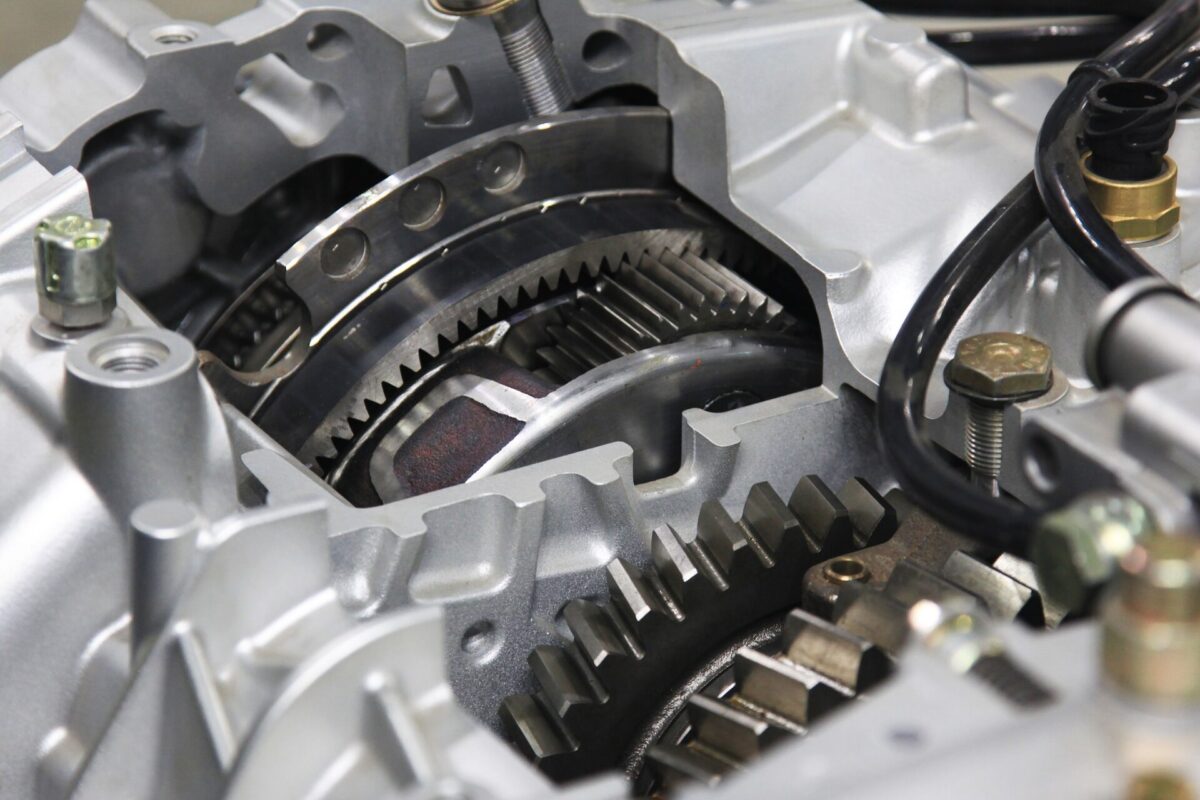
The transmission is one of the most complex and vital components in your vehicle, responsible for transferring power from the engine to the wheels. Whether you drive a manual or automatic, understanding how your transmission works – and the role of clutch kits in manual systems – can help you maintain your vehicle better and recognize potential problems early. This comprehensive guide will explain transmission fundamentals, the different types of transmissions, and how modern clutch kits function in manual systems.
The Basics of Power Transfer
Before diving into transmission specifics, it’s important to understand the basic power flow in your vehicle:
- The engine generates power through combustion
- This power rotates the crankshaft
- The transmission modifies this rotation
- Power is sent to the driveshaft and ultimately the wheels
The transmission’s primary job is to match engine speed (RPM) with wheel speed through gear ratios. Without a transmission, your engine would either stall at low speeds or redline at highway speeds – neither situation being ideal for normal driving.
Types of Transmissions
Modern vehicles use several transmission designs, each with unique characteristics:
Manual Transmissions
The traditional manual transmission (or “stick shift”) requires driver input to change gears using a clutch pedal and gear selector. Key components include:
- Clutch assembly (including clutch kits)
- Gear selector mechanism
- Synchronizers
- Input and output shafts
Manual transmissions offer direct control and are generally more fuel-efficient, but require more driver involvement.
Automatic Transmissions
Automatic transmissions shift gears without driver intervention using:
- Torque converter (replaces the clutch)
- Planetary gear sets
- Hydraulic system
- Electronic controls
Modern automatics can match or exceed manual transmission efficiency while providing seamless shifting.
Continuously Variable Transmissions (CVTs)
CVTs provide an infinite number of gear ratios using:
- Variable-width pulleys
- Steel belt or chain
- Sophisticated control systems
While extremely efficient, CVTs often lack the driving engagement preferred by enthusiasts.
Dual-Clutch Transmissions (DCTs)
DCTs combine aspects of manuals and automatics:
- Two separate clutches (odd and even gears)
- Preselects gears for lightning-fast shifts
- Can operate in full automatic mode
Common in high-performance vehicles, DCTs offer the best of both worlds but at higher complexity and cost.
Manual Transmission Operation
Since clutch kits are specifically relevant to manual transmissions, let’s examine their operation in detail:
The Clutch System
The clutch is the interface between engine and transmission, consisting of three main components found in clutch kits:
- Clutch Disc: The friction material that connects to the transmission input shaft
- Pressure Plate: Applies force to clamp the disc against the flywheel
- Release Bearing: Disengages the clutch when the pedal is pressed
When functioning properly, the clutch:
- Smoothly engages engine power to the transmission
- Allows for gear changes by temporarily interrupting power flow
- Handles the torque output of the engine
Gear Selection Process
Shifting gears in a manual transmission involves a coordinated process:
- Press clutch pedal (disengages clutch via release bearing)
- Move gear selector (synchronizers match shaft speeds)
- Release clutch pedal (re-engages power flow)
This process happens hundreds of thousands of times over the life of a vehicle, which is why quality clutch kits are essential for longevity.
Transmission Components Breakdown
Beyond the clutch system, manual transmissions contain several critical components:
Gears and Shafts
- Input Shaft: Receives power from engine via clutch
- Output Shaft: Delivers power to driveshaft
- Counter Shaft: Intermediate gearset in many designs
- Gear Ratios: Different sized gears for various speed/torque needs
Synchronizers
These brass-lined components match shaft speeds before gear engagement, preventing grinding during shifts. Worn synchronizers lead to difficult shifting.
Shift Linkage
The mechanical connection between gear lever and transmission forks that actually moves the gears. Can develop play over time.
Automatic Transmission Fundamentals
While automatic transmissions don’t use traditional clutch kits, understanding their operation provides useful contrast:
Torque Converter
Replaces the clutch in manual systems using fluid coupling:
- Impeller (connected to engine)
- Turbine (connected to transmission)
- Stator (modifies fluid flow)
- Lock-up clutch (improves efficiency at speed)
Planetary Gear Sets
Provide multiple gear ratios through different combinations of:
- Sun gear
- Planet gears
- Ring gear
Valve Body
The “brain” of the transmission controlling hydraulic pressure to engage the proper gears at the right time.
Importance of Proper Maintenance
Understanding your transmission leads to better maintenance practices:
For Manual Transmissions
- Monitor clutch pedal feel and engagement point
- Replace clutch kits before complete failure
- Use proper transmission fluid
- Address shifting issues immediately
For Automatic Transmissions
- Follow fluid change intervals
- Allow proper warm-up in cold weather
- Avoid “neutral dropping”
- Service cooling systems (many autos cool fluid through radiator)
Signs of Transmission Trouble
Recognizing early warning signs can prevent major repairs:
Manual Transmission Symptoms
- Difficulty shifting gears
- Grinding noises during shifts
- Clutch slippage (RPMs rise without acceleration)
- Burning smell from clutch
- Vibrations when engaging clutch
Automatic Transmission Symptoms
- Delayed engagement when shifting
- Slipping between gears
- Rough or jerky shifts
- Transmission fluid leaks
- Warning lights (check engine, transmission)
The Role of Quality Clutch Kits
For manual transmissions, the clutch kit is a wear item that significantly impacts performance:
What’s Included in a Clutch Kit
- Clutch disc (friction material)
- Pressure plate (spring mechanism)
- Release bearing (throwout bearing)
- Pilot bearing/bushing
- Alignment tool
Choosing the Right Clutch Kit
Consider:
- Vehicle make/model/year
- Engine torque output
- Driving conditions (daily vs performance)
- Material options (organic, Kevlar, ceramic)
Installation Considerations
Proper clutch kit installation requires:
- Flywheel inspection/resurfacing
- Correct alignment
- Proper break-in period (typically 500 miles)
- Adjustment of hydraulic system if equipped
Transmission Fluid Basics
Proper fluid is crucial for all transmission types:
Manual Transmission Fluid
- Typically gear oil (75W-90 common)
- Some modern manuals use ATF
- Change intervals vary (30,000-100,000 miles)
Automatic Transmission Fluid
- Specific to each transmission
- Acts as hydraulic fluid and lubricant
- Regular changes prevent varnish buildup
Conclusion
Your vehicle’s transmission is a marvel of engineering that adapts engine power to driving conditions. Whether manual or automatic, understanding how it works helps you appreciate its complexity and maintain it properly. For manual transmissions, quality clutch kits and proper operation are key to longevity. By recognizing early warning signs and following maintenance schedules, you can ensure smooth operation for years and thousands of miles. Remember that transmission repairs are among the most expensive in vehicle ownership – an ounce of prevention is truly worth a pound of cure.
Facebook Comments