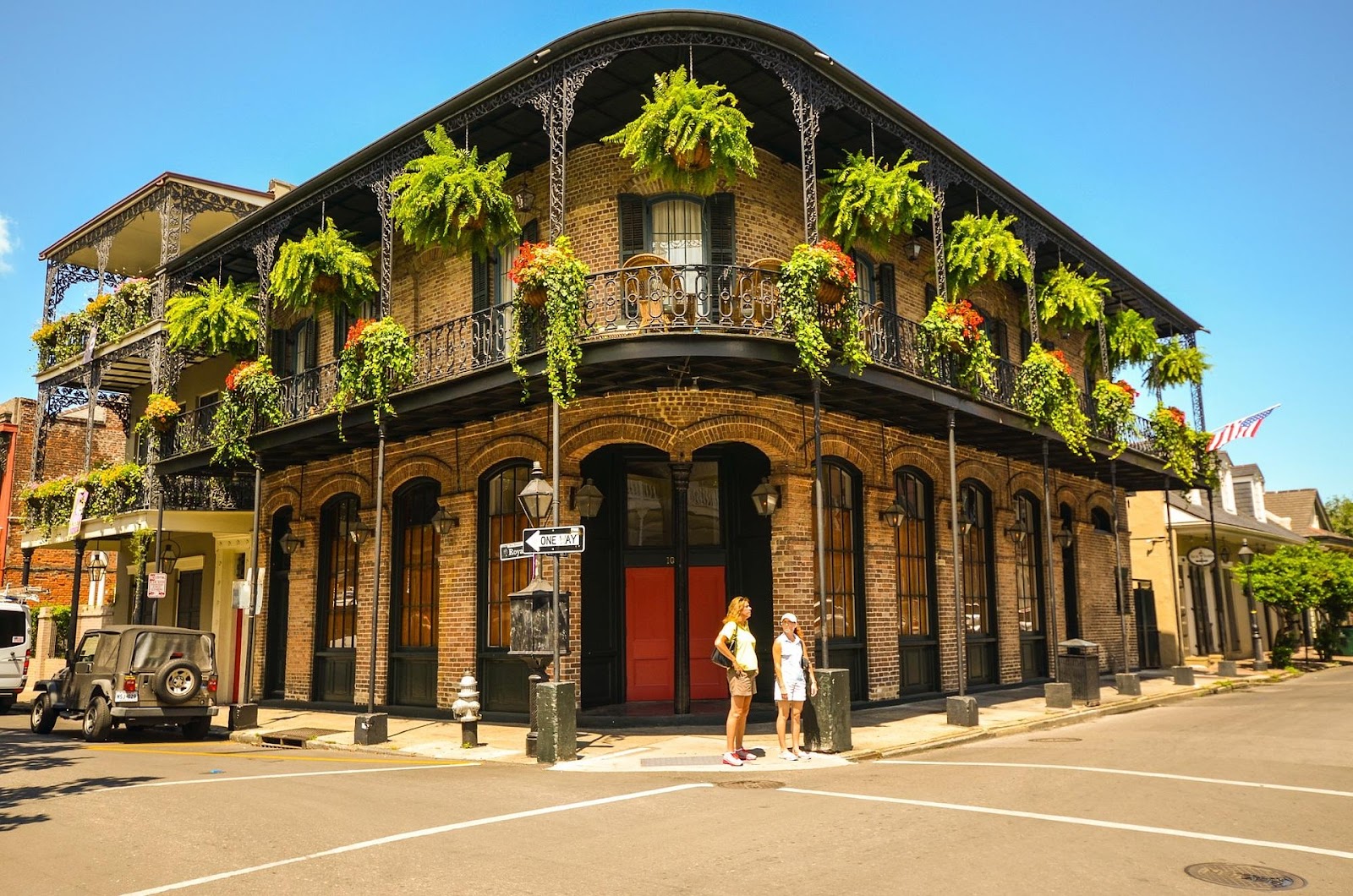
Living in New Orleans means dealing with car insurance headaches that people in normal cities never have to think about. This place sits below sea level, gets hit by hurricanes, and has roads that look like they were bombed. Then there’s the crime, the tourists, and the locals who drive like they’re in a demolition derby. Getting decent car insurance here feels like trying to solve a puzzle that keeps changing pieces.
Hurricanes Mess Up Everything
Hurricane season in New Orleans makes everyone nervous, especially insurance companies. They know that one big storm can wipe out thousands of cars in a day. Katrina taught everyone that lesson the hard way, and now insurance companies charge like every storm could be the next big one.
When a hurricane comes, the whole city tries to leave at once. Cars break down on packed highways, people crash into each other in bumper-to-bumper traffic, and some folks just abandon their cars in parking lots that end up underwater. Insurance companies have to deal with all this chaos, and they make everyone pay for it through higher rates.
Storm surge can flood areas that never flooded before. Cars parked in spots that seemed safe get destroyed by water that came out of nowhere. Comprehensive coverage becomes something people actually need instead of just an extra cost, but good luck finding affordable comprehensive coverage in a city that floods every few years.
Local Driving Habits Are Wild
New Orleans driving culture is unlike anywhere else. The streets curve with the river, one-way streets change direction without warning, and intersections make no sense. Even locals get confused sometimes, and visitors are completely lost. This leads to sudden stops, wrong turns, and accidents that happen because someone had no idea where they were going.
Tourist traffic makes everything worse. Visitors drive slowly while looking for addresses, stop suddenly to take pictures, or pull over in traffic lanes. Locals get impatient and make aggressive moves around tourist drivers. During Mardi Gras or Jazz Fest, the whole city becomes a traffic nightmare with people who have no clue about local driving patterns.
Festivals and parades shut down streets randomly. What was a main route yesterday becomes a dead end today because of a parade route. Street closures happen with little warning, and GPS systems can’t keep up with the constant changes. People end up lost, frustrated, and making dangerous moves in traffic.
Roads That Destroy Cars
New Orleans roads are absolutely terrible. Potholes, uneven surfaces, and constant construction create hazards that destroy vehicles regularly. The city’s infrastructure can’t handle the geography and climate, and drivers pay the price through constant repairs and higher insurance rates.
Streetcar tracks create unique hazards that don’t exist in most cities. Cars get stuck in tracks, motorcycles crash when hitting tracks at the wrong angle, and wet tracks become slippery death traps. These tracks are everywhere, and they cause accidents that insurance companies have to pay for.
Bridge traffic creates bottlenecks that lead to rear-end collisions. The city’s river crossings handle way more traffic than they were designed for, and accidents on bridges shut down entire routes. Rush hour traffic on bridges moves in sudden stops and starts, perfect conditions for chain-reaction crashes.
Crime That Affects Everyone
New Orleans has a serious crime problem that hits everyone’s wallet through higher insurance rates. Car theft, break-ins, and carjackings aren’t rare occurrences – they’re regular facts of life, especially in certain parts of the city. Insurance companies crunch the crime numbers and jack up rates accordingly, so law-abiding drivers end up paying extra because of all the criminals running around.
Car break-ins are practically a local sport. Criminals love targeting tourists who leave GPS units, purses, or shopping bags visible in their cars. Rental cars might as well have “rob me” signs on them. Park in the wrong spot or leave anything valuable where thieves can see it, and there’s a good chance someone’s smashing windows. Even locals who know better sometimes get caught slipping.
The whole system creates a mess where people who need comprehensive coverage to protect against theft end up paying through the nose for it. Living in high-crime areas means higher premiums, which makes it harder to afford good coverage, which leaves people more vulnerable when crimes do happen. It’s a vicious cycle where the criminals screw everyone over twice – once when they steal stuff, and again through higher insurance costs for the whole city.
Insurance companies don’t care about individual circumstances – they just look at zip codes and crime stats. So someone living in a rough neighborhood pays more even if they’ve never had a problem, while the actual thieves probably don’t carry insurance at all.
Organized theft rings target specific vehicle types or valuable parts. Catalytic converter theft became a huge problem across the city. Insurance companies started seeing tons of claims for stolen parts, and those costs get passed along to all drivers through higher premiums. Even people who park in supposedly safe areas aren’t immune.
Insurance Shopping Reality
Finding decent car insurance New Orleans requires understanding which companies actually work well in this crazy market. Some insurers specialize in coastal areas and have better pricing for drivers in hurricane-prone regions. Others take one look at New Orleans and decide to charge ridiculous rates or not write policies at all.
Local agents often understand New Orleans’ problems better than national call centers. They know which companies handle hurricane claims without fighting every detail, which ones have repair shops that know how to deal with flood damage, and which ones actually price competitively for local drivers. The downside is that some local agents push whatever makes them the most money.
Rate increases happen constantly in New Orleans because of the city’s challenging conditions. Companies adjust their pricing based on claims experience, and New Orleans’ weather and infrastructure problems create expensive claims year after year. What seems like a good deal this year might be unaffordable next year.
Coverage Decisions That Actually Matter
Comprehensive coverage is basically mandatory for New Orleans drivers. Between hurricanes, flooding, and crime, the risk of non-collision damage is way too high to ignore. The question becomes choosing the right deductible to balance monthly premiums with out-of-pocket costs when disasters strike.
Higher liability limits make sense in New Orleans because accidents can be expensive and people sue over everything. Louisiana’s auto insurance follows a fault-based system, meaning whoever causes the accident pays for the damages. With the city’s traffic problems and aggressive driving culture, accidents can result in massive damages that minimum coverage won’t handle.
Rental car coverage helps during the claims process because New Orleans’ layout makes getting around without a car nearly impossible. Having rental coverage means staying mobile while a damaged vehicle gets repaired, which can take forever due to the city’s infrastructure challenges and limited repair facilities.
Claims Experience Horror Stories
New Orleans’ unique challenges mean that claims processing can be more complicated than in normal cities. Hurricane claims require special handling that not all companies do well. Understanding the difference between flood damage, wind damage, and other types of weather damage can make or break a claim outcome.
Repair shops in New Orleans deal with types of damage that shops in other cities rarely see. Water damage restoration, storm damage repair, and infrastructure-related damage require specialized knowledge. Some insurance companies have decent networks of qualified repair shops, while others make customers drive to the next state for proper repairs.
Seasonal Chaos
Hurricane season turns everyone into insurance experts real quick. People suddenly remember they need comprehensive coverage or want to drop their deductible, but good luck with that once the Weather Channel starts tracking a storm heading toward Louisiana. Insurance companies slam the door shut on policy changes the moment a hurricane gets a name and starts eyeing the Gulf Coast. So drivers either plan ahead or get stuck with whatever garbage coverage they have when the big one hits.
Mardi Gras brings out the worst in everyone’s driving. Tourists who don’t know the streets, locals who’ve been drinking since noon, and traffic patterns that make zero sense because half the city’s blocked off for parades. Insurance companies know this and build those costs into everyone’s rates all year long. Some people just park their cars and stay home during the big parades, but most folks still need to get to work or deal with life, even when the city’s gone completely insane.
Summer storms don’t get the respect they deserve. These aren’t cute afternoon showers – they’re violent, nasty things that can dump inches of rain in minutes and turn streets into rivers. The national news ignores them because they’re not hurricanes, but they’ll flood a car just as dead. These storms happen constantly during summer, and they’re responsible for tons of insurance claims that catch people off guard because they weren’t “real” storms.
The bottom line is that New Orleans weather wants to destroy cars year-round, not just during hurricane season. Smart drivers plan for all of it, not just the big storms that make headlines.
Getting Worse Over Time
New Orleans is slowly sinking while the ocean keeps rising, and everyone knows it. Climate change isn’t some future problem here – it’s happening right now, and insurance companies are jacking up rates because they know things are only getting worse. Drivers who pay attention to these trends can at least make smart choices about coverage, but the city’s basically fighting a losing battle against nature.
The population’s all over the place since Katrina hit. Some neighborhoods packed up and rebuilt bigger than before, while others turned into ghost towns. Nobody can predict how this affects insurance because traffic, crime, and accident patterns keep shifting around. What used to be a safe, quiet area might now be a hotspot for break-ins, or vice versa.
New Orleans is unlike anywhere else, and that’s not always a good thing when it comes to insurance. The city’s geography wants to flood, the weather wants to destroy everything, and the infrastructure can’t handle what nature throws at it. Drivers who get this reality and shop smart can find coverage that won’t bankrupt them, but it means staying on top of the market constantly. Anyone using generic insurance advice is going to get burned because this city plays by its own rules.
Facebook Comments